
Why Fine Motor Skills Matter for Writing
Have you ever handed your child a crayon and watched them hold it with a fist? Totally normal.
Fine motor skills—those small, controlled movements—develop over time. They’re not just for writing. Kids use them every day when they:
Zip a jacket
Open snack containers
Button their shirt
Pick up tiny pieces of food
One big milestone is the pincer grasp (thumb + forefinger pinch). Think about how your toddler picks up a Cheerio. That same motion is the first step toward a proper pencil grip.
💡 Parent tip: The next time your child picks something up with just their fingers, pause and notice—you’re watching writing readiness in action.
Simple, Playful Fine Motor Activities
Here are easy, screen-free ways to build fine motor skills right at home:
LEGO Play: Encourage your child to snap and separate small bricks, stack towers, or build patterns. Those tiny connections build big hand strength.
Threading & Beading: Use laces and large beads or even pasta noodles for stringing.
Pouring & Scooping: Let your child scoop rice or water into cups. It’s messy fun and builds hand-eye coordination.
Playdough Creations: Rolling, pinching, and shaping strengthens fingers and wrists.
Practical Life Tasks: Buttoning, zipping, and helping set the table are all fine motor workouts!
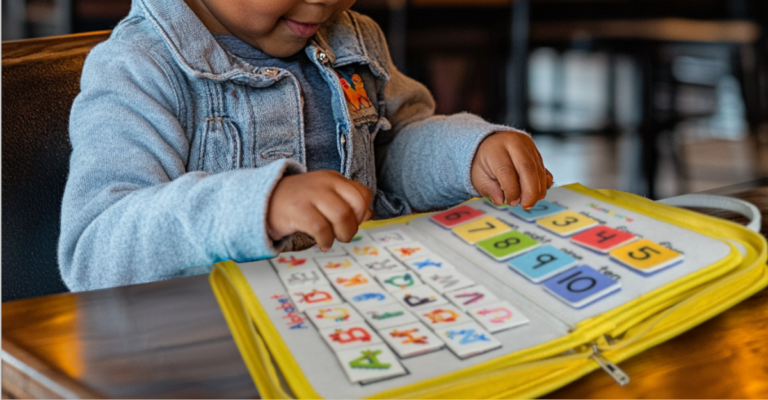
Velcro matching: Hands-on busy books with Velcro pieces are perfect for practicing grip.

Tip: Try rotating 2–3 of these activities daily instead of overwhelming your child with all of them at once.
👉 Think about this: Where in your day can you slow down and let your child’s hands do the work?
Montessori Wisdom: Follow the Child
Montessori principles remind us that kids learn best when they’re engaged and in control of their play.
Ask yourself:
What is my child drawn to today—building LEGO towers or rolling playdough snakes?
Are they ready for a challenge, or do they need more time with the basics?
When kids choose activities that interest them, their focus (and skills) skyrocket.
Make It Fun & Relatable
Writing skills don’t come from drilling worksheets—they come from play!
A few ideas to try this week:
Build a LEGO rainbow together and see how many pieces your child can snap independently.
Let them “deliver” LEGO mail by moving small bricks into a cup across the room with tongs.
Turn clean-up into a game: “Can you pick up all the red bricks first using your pincher fingers?”
These moments are not just fun; they’re building muscles for pencil control and confidence.

💡 Quick tip: Rotate activities to keep kids interested. Monday playdough, Tuesday stickers, Wednesday beads—it keeps things fresh.
How to Prepare Your Toddler for Writing Success
When your child’s hands are strong, they’ll naturally transition toward holding writing tools. No need to rush.
Chunky crayons + short pencils → Easier for little fingers than long pencils. (Broken crayons are perfect!)
Sensory tracing → Salt trays, sand, or shaving cream for finger-writing before paper.
Line + shape drawings → Practice lines and circles—the building blocks of letters.
Art play → Coloring, doodling, and painting are all “disguised” pre-writing practice.

💡 Tip: If your child resists holding a pencil, step back. Go back to playdough, stickers, or scooping. The grip will come when their hands are ready.
Play Today, Write Tomorrow
Helping your child get ready for writing doesn’t mean worksheets. It means giving them plenty of chances to use their hands in playful, purposeful ways.
Peeling stickers
Pouring water
Stringing beads
Zipping jackets

All of these “little things” add up to writing success.
That’s exactly why I created our Montessori-inspired busy books. They’re filled with screen-free, hands-on activities that strengthen fine motor skills. If you’re looking for a fun way to help your child prepare for writing, our busy books are a wonderful place to start.
👉 Parent-to-parent: What’s your child’s favorite fine motor activity right now? Share it—I’d love to hear what’s working in your home!